
"coffee mulching"
150 article(s) found

Geo-climatic production process of coffee in Rwanda
Malaba Coffee grows in southern Rwanda, about 12 kilometers (7 miles) from the city of Butare and 150 kilometers (93 miles) from the capital, Gejali. The plan began in the Malaba area of Butare province, but was taken over by a local government organization in 2006, which is now part of the Huye district of the southern province. Due to its proximity to the East African Rift Valley and the Neuenway Forest Mountains, the terrain

What is the recommendation of El Salvador Manor Coffee beans? introduction to El Letillo Manor
Professional coffee knowledge exchange more coffee bean information please follow the coffee workshop (Wechat official account cafe_style) Finca El Retiro was founded by Fernando Alberto Pacas Figueroa in 1927. The farm has been handed down for four generations and is now owned and managed by Alfredo Parks and his family: this is their family's fertile Apaneia in El Salvador-

Small coffee, medium coffee, large coffee, brand, price, type, taste, introduction
Coffee small grain large grain contrast map brand price category manor taste introduction coffee growth and development and climate and environmental conditions are closely related. In the areas with strong wind, high temperature, strong light and easy drought soil, axillary buds tend to differentiate into flower buds, and the growth of branches is small, which is easy to cause premature senescence. Therefore, to choose quiet wind, humidity, light shorter place for garden. small

Introduction to the producing area of Katim Coffee Bean by the method of Grinding and Calibration
Katim coffee bean flavor characteristics taste grinding scale treatment varieties production areas introduce coffee semi-shade tree species, it is recommended to establish a moderate shade degree of 3040%. Generally speaking, it is difficult to solve the problem of water conservancy irrigation in the site environment of growing coffee in our province. The water demand season is in the dry season, and it is also the season to compete with other crops for water. It is not a good thing to completely rely on irrigation to meet the water demand of coffee field.

The breeding ground of coffee how does coffee breed and where it is produced?
① nursery land selection: it is appropriate to choose close to the water source, good drainage, fertile, deep soil layer, loose loam or sandy loam as nursery land. ② soil preparation and application of basic fertilizer: the soil in the nursery should be fully ploughed and raked into fine pieces, ploughed 20 to 25 centimeters deep, stone, grass roots, sundries should be removed quickly, and then the border should be raised. The width of the border is 1 meter, the width of the path between the borders is 50 centimeters, and the east-west direction of the border on flat land is 5, 000 and 10, 000 jin.

Introduction to the characteristics of Rwanda Coffee Flavor and Flavor Manor
The biggest harvest season for Rwandan coffee is during the main rainy season, from March to the end of May. During the harvest season, farmers spend most of their day picking coffee fruits by hand. In the afternoon, farmers carry coffee fruits in traditional baskets made of banana leaves to a cleaning station a few hours away. The mechanic uses his hands to make the best quality coffee with crimson color.

Geography and climate of coffee bean production process in Rwanda
Production process editors Coffee fruits the maximum harvest season for Rwandan coffee is during the main rainy season in the area, from March to the end of May. During the harvest season, farmers spend most of their day picking coffee fruits by hand. In the afternoon, farmers carry coffee fruits in traditional baskets made of banana leaves to a cleaning station a few hours away. The mechanic will do it by hand.

Description of Rwandan Coffee Flavor introduction to the production area of grinding degree of fine coffee beans
The biggest harvest season for Rwandan coffee is during the main rainy season, from March to the end of May. During the harvest season, farmers spend most of their day picking coffee fruits by hand. In the afternoon, farmers carry coffee fruits in traditional baskets made of banana leaves to a cleaning station a few hours away. The mechanic uses his hands to make the best quality coffee with crimson color.

Several varieties of coffee in Kenya what is the difference between the varieties of Kenyan sl28 coffee and beans
Professional coffee knowledge exchange more coffee bean information please follow Coffee Workshop (Wechat official account cafe_style) Front Street-Kenya Coffee introduces the border between northern Kenya and Ethiopia, but there are obvious differences in flavor, with obvious berry tone, rich juice flavor, which is inseparable from the unique red soil of Kenya. The soil is rich in phosphoric acid, as well as its own excellent

Rwanda Coffee Production Process Geography Climate
Maraba coffee is grown in southern Rwanda, about 12 km (7 mi) from Butare and 150 km (93 mi) from the capital, Gigali. The project began in the Malaba area of Butare province, but was succeeded by local government organizations in 2006, and the area is now part of the Huye region of Southern province. Due to its proximity to the Great Rift Valley and the Newway Forest Mountains, the terrain of this zone

Introduction to the characteristics of Rwandan Coffee beans in Rwanda Coffee Flavor Manor area
Malaba Coffee grows in southern Rwanda, about 12 kilometers (7 miles) from the city of Butare and 150 kilometers (93 miles) from the capital, Gejali. The plan began in the Malaba area of Butare province, but was taken over by a local government organization in 2006, which is now part of the Huye district of the southern province. Due to its proximity to the East African Rift Valley and the Neuenway Forest Mountains, the terrain

Introduction of Rwanda Coffee varieties Malaba Coffee Chimeier Manor
Laba Coffee is grown in southern Rwanda, about 12 kilometers (7 miles) from the city of Butare and 150 kilometers (93 miles) from the capital, Gejali. The plan began in the Malaba area of Butare province, but was taken over by a local government organization in 2006, which is now part of the Huye district of the southern province. Due to its proximity to the East African Rift Valley and the Neuenway Forest Mountains, this area has many topography.

Rwandan coffee flavor aroma, Rwandan coffee bean output
Pay attention to the coffee review (Weixin Official Accounts vdailycom ) and find that the taste of Rwandan coffee is described as grassy aroma with tropical climate characteristics. In addition to the fruity sweetness of this coffee, it can also make people taste refreshing, clear and fresh. Bourbon coffee grown in Rwanda is amazing for its fruity sweetness

Geo-climatic production process of coffee beans in Rwanda
Malaba Coffee grows in southern Rwanda, about 12 kilometers (7 miles) from the city of Butare and 150 kilometers (93 miles) from the capital, Gejali. The plan began in the Malaba area of Butare province, but was taken over by a local government organization in 2006, which is now part of the Huye district of the southern province. Due to its proximity to the East African Rift Valley and the Neuenway Forest Mountains, the terrain

What kind of variety Katim belongs to? what kind of treatment is used to describe the characteristics of flavor and quality?
What kind of variety Katim belongs to? what is the treatment method to describe the flavor and quality characteristics? the annual average temperature is 1921 ℃, the accumulated temperature of 10 ℃ per year is more than 6800 ℃, the coldest monthly average temperature is 11.5 ℃, the absolute lowest temperature is above 1 ℃, the coldest monthly average temperature is 11.5 ℃, the monthly average temperature is more than 2 months, the extremely lowest average monthly temperature is above 0 ℃, and some years appear-1 ℃.
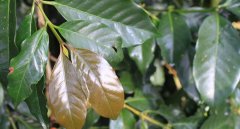
Why is organic coffee expensive? Will organic coffee be a safer coffee?
When it comes to organic coffee, as we often mention, organic tea actually means the same thing, what is the organic definition related to coffee. Then let's go on to learn a little bit more about it. Organic certification of crops, in this case, coffee has four basic components: 1. Do not use synthetic pesticides, herbicides or fungicides.

Katim Coffee Bean Flavor Description Taste Manor Area Grinding Scale Treatment Introduction
Katim coffee bean flavor description taste manor production area grinding scale treatment method introduced this variety is a variety of high and stable yield, in different ecological types of trial planting results show that as long as according to high yield cultivation techniques and measures, will certainly obtain higher yield, average yield of more than 150 kg per mu, small area up to more than 400 kg. 1. State-owned Lujiang Farm in Baoshan City was planted in March 1991

Structure diagram of coffee bean structure text roaster
Coffee bean structure text roaster structure diagram selection of coffee mother tree on the fully mature, normal shape, full, the same size, with two seeds of fruit. To remove the peel of the selected fruit, you must be careful to prevent damage to the seeds and affect the germination rate, and then put the peeled seeds in a ventilated and cool place to dry. The seed shell can be whitened and the seeds can not be exposed.

Taste of Rwanda boutique coffee beans Malaba coffee is introduced in the manor area.
Malaba Coffee grows in southern Rwanda, about 12 kilometers (7 miles) from the city of Butare and 150 kilometers (93 miles) from the capital, Gejali. The plan began in the Malaba area of Butare province, but was taken over by a local government organization in 2006, which is now part of the Huye district of the southern province. Due to its proximity to the East African Rift Valley and the Neuenway Forest Mountains, the terrain

Growing in the Lutesilo region of the western province of Malaba in southern Rwanda
Malaba Coffee grows in southern Rwanda, about 12 kilometers (7 miles) from the city of Butare and 150 kilometers (93 miles) from the capital, Gejali. The plan began in the Malaba area of Butare province, but was taken over by a local government organization in 2006, which is now part of the Huye district of the southern province. Due to its proximity to the East African Rift Valley and the Neuenway Forest Mountains, the terrain